

INFANT DEVELOPMENT · BONDING · POSTPARTUM
The largest organ in the body is your skin — and how we use touch in those early days can shape a child’s development for life.
By Elizabeth G. Harvey, PT, DPT, DHSc, MSR, PCS · Strong Foundations by Renewal
How long has it been since you thought about the largest organ in the human body — our skin? For many of us in clinical practice, myself included, there was a time when I felt patients weren’t getting their money’s worth unless I was working deep. Experience, education, and research have radically shifted my approach. And as a postpartum and pediatric physical therapist, I’ve come to believe that how we touch — and when — is one of the most powerful tools we have.
This is especially true for new mothers and their babies. The experience of connection formed in those first days and weeks is not just emotional — it is neurological, physiological, and developmental. And it can be disrupted.
If we can promote bonding as part of early strategies, we can influence the trajectory of motor function, sleep, eye-hand coordination, and growth.¹
What Happens When You Touch
Touch your forearm just enough to make your skin blanch. In that moment, you’ve accessed all of your specialized sensory cells — Pacinian corpuscles, Merkel’s discs, free nerve endings — along with 25% of your total blood volume and your superficial lymphatics. The skin is not passive. It is an active, communicating system.
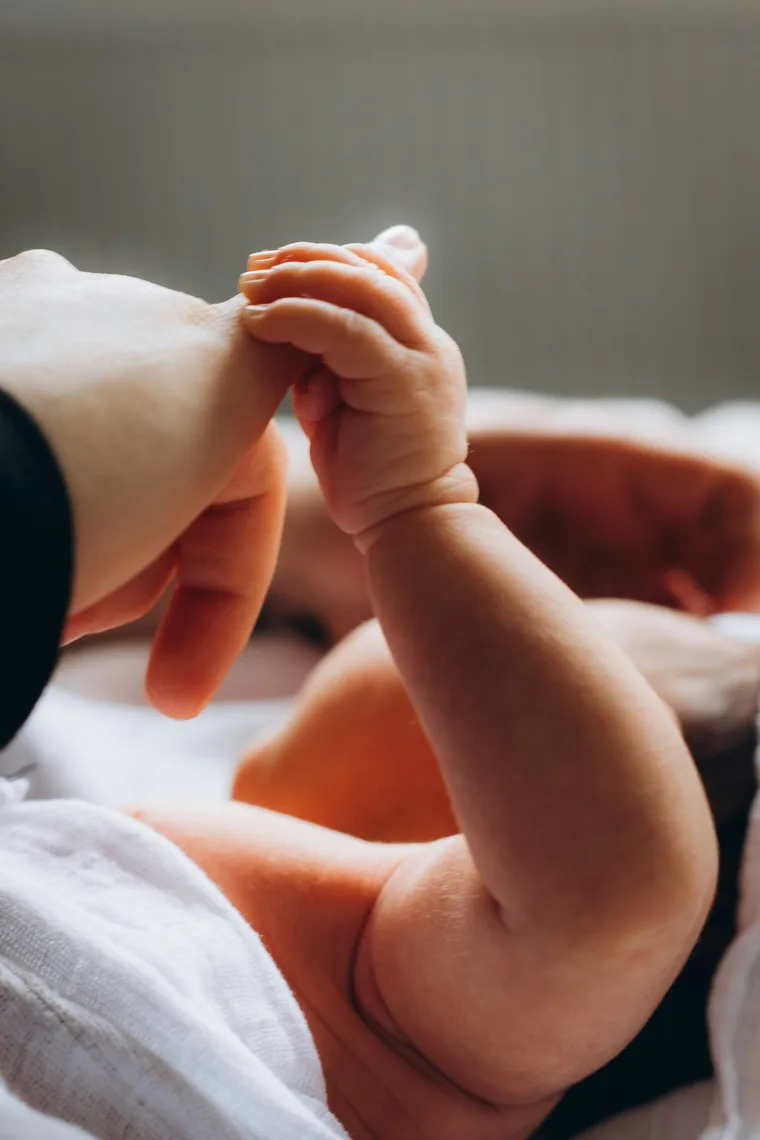
For a newborn, touch is their primary language. It regulates heart rate, breathing, cortisol, and oxytocin — the “bonding hormone.” Research consistently shows that structured, intentional touch through infant massage supports weight gain, reduces colic, improves sleep, and strengthens the parent-infant relationship.²
Houston, We Have a Problem
The reality for many families today is that bonding is disrupted from the start. Consider these numbers:
360,000 preemies/year (NICU)
- Delayed motor development
- Poor sleep
- Decreased attachment
(Oyetunji & Chandra, 2020)
42% suffer Pediatric Medical Traumatic Stress
- Withdrawal from care
- Avoidance of medical professionals
- Difficulty with touch-based therapy
Up to 22% of parents experience moderate-to-severe PMTS
- Difficulty bonding
- Fear of handling their infant
- Isolation and grief
Solutions
- Bonding promotion
- Positive touch
- Parent engagement
- Story massage
- Colic massage
These aren’t just statistics — they’re families sitting in your waiting room. Parents who are afraid to touch their child. Mothers who feel disconnected from their own bodies and their babies. The good news? Touch-based interventions are accessible, teachable, and profoundly effective.
What Is Infant Massage?
Infant massage is a structured, rhythmic touch practice that any caregiver can learn. It is not simply rubbing a baby — it is a conversation between parent and child that builds trust, body awareness, and regulatory capacity.
Story Massage
Pairs simple massage strokes with storytelling. The parent narrates while touching, creating a multisensory bonding experience that also builds early language and sequencing skills.
Colic Massage
Uses specific abdominal strokes to relieve gas, reduce crying episodes, and calm the nervous system. Studies show significant reduction in crying time with regular practice.³
Skin-to-Skin / Kangaroo Care
Particularly powerful in the NICU and early postpartum period. Regulates infant temperature, heart rate, and oxygen levels while flooding the maternal brain with oxytocin and prolactin.
It’s Also About the Mother
At Strong Foundations by Renewal, we work with the whole postpartum family — and that means recognizing that a mother’s capacity to connect is shaped by her own physical and emotional recovery. Pelvic pain, C-section scars, diastasis recti, and birth trauma can all create barriers to bonding.
When we address the mother’s body — her pain, her mobility, her nervous system — we free her to be present for her baby. Touch therapy is not just a pediatric intervention. It’s a postpartum one.
Dr. Beth DeGrace’s Question
"How do our interventions affect families?" — This question, posed by Dr. Beth DeGrace, PhD, OTR/L, FAOTA, forever changed my clinical approach.
Ready to Learn More?
Strong Foundations by Renewal offers hands-on guidance for new mothers navigating postpartum recovery — including strategies for infant bonding, massage, and sensory regulation. Whether you’re a new mom, a caregiver, or a clinician looking to integrate these approaches, we’d love to connect.
→ Schedule a consultation at renewaltherapeutics.com
About the Author
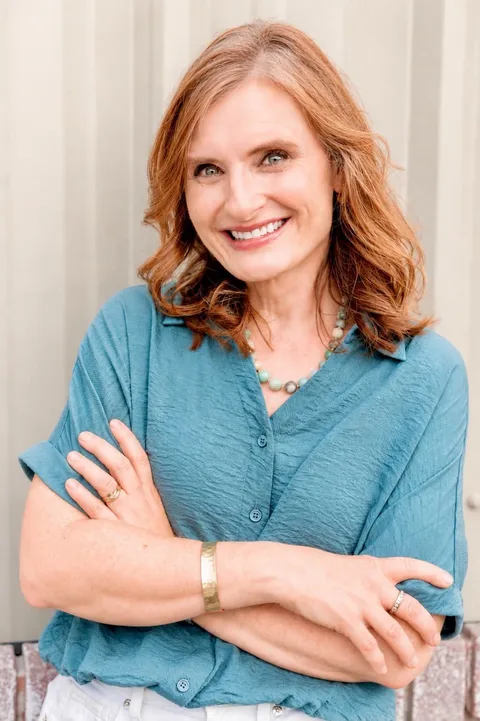
Elizabeth G. Harvey, PT, DPT, DHSc, MSR, PCS, is the owner of ABC Therapies, LLC in Moncks Corner, SC, and CEO of Renewal Therapeutics. She is active in research and education on various methods to promote healing. For questions, Dr. Harvey can be reached at contact@renewaltherapeutics.com.
References
1. Moberg KU, Handlin L, Petersson M. Neuroendocrine mechanisms involved in the physiological effects caused by skin-to-skin contact. Early Hum Dev. 2020;153:105294.
2. DeGrace B. Occupation-based and family-centered care: a challenge for current practice. Am J Occup Ther. 2003;57(3):347–350.
3. Oyetunji A, Chandra P. Postpartum stress and infant outcome: a review of current literature. Psychiatry Res. 2020;284:112769.
4. Geary O, Grealish A, Bright AM. The effectiveness of mother-led infant massage on symptoms of maternal postnatal depression: a systematic review. PLoS One. 2023;18(12):e0294156. https://doi.org/10.1371/journal.pone.0294156